Introduction: Learn Stress Relief from the Experts
Stress is an unavoidable part of modern life—but how you respond makes all the difference. Mental health experts agree that small, consistent strategies can dramatically improve emotional well-being.
In this post, we’ve gathered actionable insights from top wellness professionals across the continent. From mindfulness practices to simple daily tools, these tips will help you manage stress, enhance focus, and cultivate a calmer, healthier life.
Whether you’re juggling work, family, or personal growth, these expert-backed strategies can be integrated into any lifestyle.
1. Journaling Your Way to Emotional Balance
Expert Insight – Dr. Leila Morgan, Clinical Psychologist
“Writing down your thoughts is one of the simplest yet most effective stress-relief practices. Journaling helps you process emotions, identify stress triggers, and gain perspective.”
Practical Tips from Dr. Morgan:
- Dedicate 10 minutes each morning to free writing.
- Focus on gratitude: list three things that went well each day.
- Use reflective prompts like: ‘What challenged me today?’ or ‘What made me happy?’
Why It Works: Expressive writing lowers cortisol levels and can improve overall mood, making it a powerful mental health tool.
2. Physical Tools to Release Stress
Expert Insight – Marcus Chen, Occupational Therapist
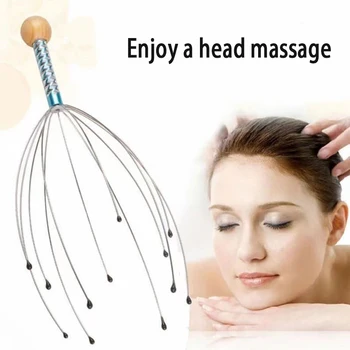
“Stress isn’t just mental—it’s physical. Using tactile tools like stress balls, fidget devices, or hand grips helps release tension and improves focus.”
How to Use Stress-Relief Tools Effectively:
- Squeeze a stress ball while on a work call or commuting.
- Combine with deep breathing to maximize relaxation.
- Rotate between different tactile tools to keep your practice engaging.
Trend Note: Research shows that physical engagement with stress-relief devices reduces anxiety in both adults and teens.
3. Mindfulness and Meditation Made Simple
Expert Insight – Sofia Rivera, Mindfulness Coach
“Even five minutes of mindfulness or meditation daily can drastically reduce stress and improve emotional regulation. It’s about training your brain to stay present rather than reacting to every stimulus.”
Easy Practices for Beginners:
- Use guided meditation apps or online videos.
- Pair mindfulness with routine activities like walking, showering, or eating.
- Introduce breathing aids, such as visual or device-guided deep breaths.
Pro Tip: Consistency matters more than duration—start small and build your practice gradually.
4. Sensory-Based Stress Management
Expert Insight – Anika Patel, Holistic Wellness Consultant
“Our senses have a powerful influence on our emotional state. Simple sensory tools can calm your nervous system and create a grounding effect.”
Tips for Using Your Senses:
- Aromatherapy: Use calming essential oils like lavender, chamomile, or eucalyptus.
- Music: Play soothing music during work or study sessions.
- Visuals: Incorporate nature images or calming colors into your home or workspace.
Why It Works: Multi-sensory engagement enhances relaxation and reinforces positive mental states.
5. Building a Personal Stress-Relief Routine
Expert Insight – Dr. Ethan Jones, Wellness Strategist
“Consistency is key. Combining multiple tools—journaling, tactile aids, mindfulness, and sensory practices—into a daily routine creates long-term stress resilience.”
Sample Routine:
- Morning: 5-minute guided meditation with a breathing tool.
- Midday: Quick stretch or stress ball session at your desk.
- Evening: Reflective journaling and gratitude practice before bed.
Extra Tip: Track your progress and celebrate small wins to reinforce these habits.
Conclusion: Take the Experts’ Advice to Heart
Mental health and stress relief are ongoing journeys. By implementing expert-backed practices like journaling, tactile tools, mindfulness, and sensory-based techniques, you can cultivate a calmer, more balanced life.
Remember, it’s not about eliminating stress but managing it effectively—and these strategies make it achievable.
Start by choosing one expert tip today. Share this post with friends seeking healthier ways to manage stress, or subscribe to our newsletter for more wellness insights every week.


0 Comments